Feeding Furry Skin
We often recommend feeding rabbit ears or other furry skin to help as PART of a natural worm prevention regime. A member of the No Bull Facebook group recently asked what else she could feed apart from rabbit ears, so I’m going to give you a few suggestions of different types of furry skin that I’ve given to our own dogs recently.
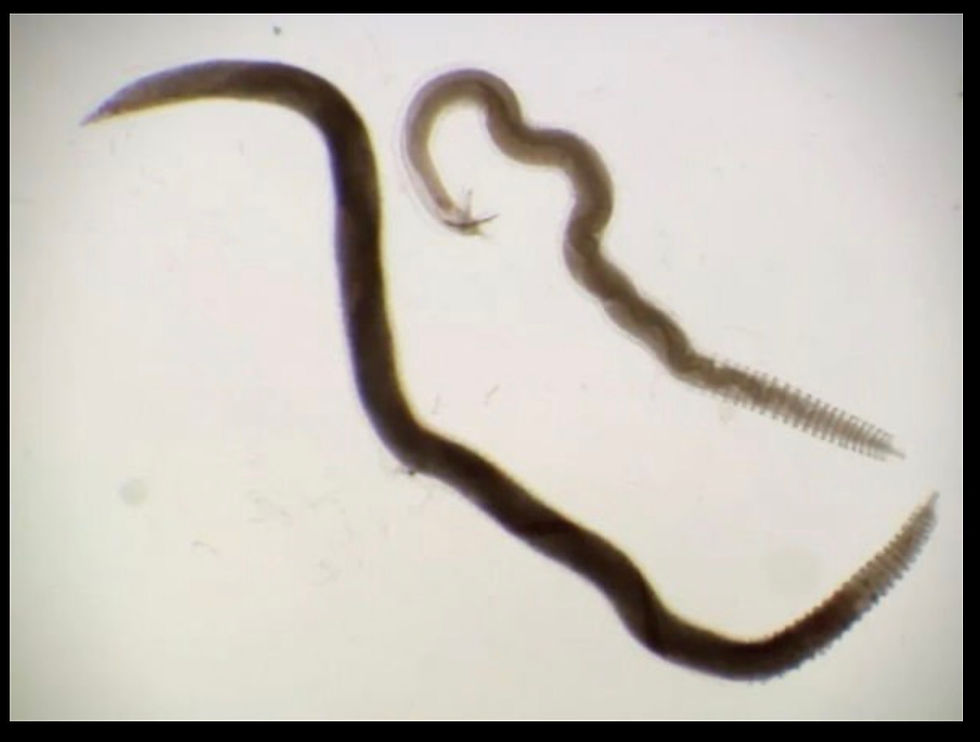
When pumpkin seeds are ground this releases the amino acid cucurbitacin which paralyses worms, causing them to loose their attachment on the intestinal lining, so that they can be expelled from the body. This is where the fur comes into play, acting a bit like a ‘pipe-cleaner’ to help with the elimination process. It must be noted feeding fur does not “worm” your dog but can be a nice addition to your natural prevention regime.
The third (and REALLY MOST important part) of the regime is doing regular worm counts. Our friends at Feclab Laboratories have given us a member discount code too! https://www.feclab.co.uk/product/dog-cat-combined-worm-lungworm-kit/
So, here are some of the furry things that my dogs have loved eating lately, and which have helped to keep them worm free.
Mince with fur included
Air-Dried Wild Fallow Deer Pelt Squares
JR -XL Beef bark with hair
Hairy beefies, the inner part of the ear
Lamb ears with hair
A note regarding rabbit ears!
A couple of members have recently asked questions regarding the ethics / rabbit welfare aspect of feeding ears to our dogs, as many of us do as a part of our natural worm prevention regime. Most of the rabbit ears on sale in the UK come from European rabbit farms where they are a byproduct of the human rabbit meat industry. This does not sit well with everyone. I’m pleased to say that I have managed to find a fairly local source of wild rabbit ears on sale. They are much smaller than the farmed rabbit ears, a much darker colour and there are obviously far fewer of them available. I had to wait for two week for my order. I wanted to share this information for those who are interested and may want to look for something similar in their own area.
Feeding fur can also help with anal glad issues as it’s insoluble fibre. It can also help clean teeth and contains lots of manganese which is a trace element.
Please only feed a small amount of furry foods initially to make sure that it is well tolerated by your dog, and if you have a flat faced breed be extra careful around choking.